At the Big Bend of the Missouri, the men barely escape when the sandbar they are camping on washes into the river. After daylight, the enlisted men and engagés continue moving the boats continue up the Missouri camping near present Joe Creek Bay, South Dakota. Lewis adds six plants to his collection.
Wash Away Camp
by Yellowstone Public Radio[1]Originally aired weekdays by Yellowstone Public Radio during the Bicentennial observance of 2003-2006. Narrated by Hal Hansen. Scripts by Whit Hansen and Ed Jacobson. Produced by Leni Holliman. © … Continue reading
Wash Away Camp
Midday View over the Big Bend
18″ x 54″ oil on board
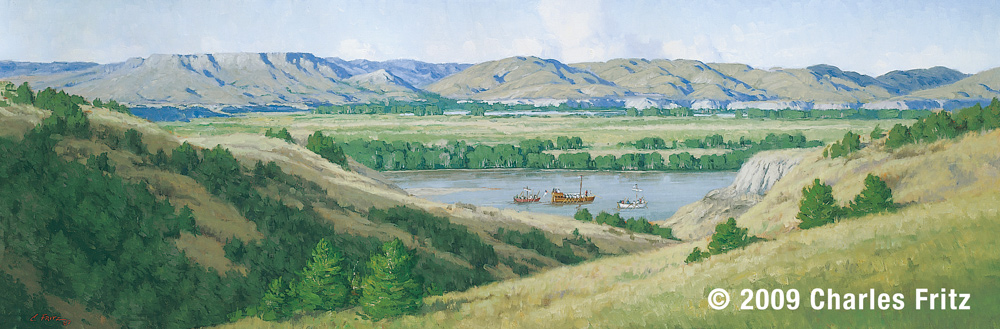
© 2009 by Charles Fritz. Used by permission.
at half past one oClock this morning the Sand bar on which we Camped began to under mind and give way which allarmed the Sergeant on Guard . . . . by the time we made the opsd. Shore our Camp fell in,
—William Clark
Big Bend
we Sent a man to measure step off the Distance across the gouge, he made it 2000 yds. The distance arround is 30 mes. The hills extend thro: the gouge and is about 200 foot above the water—
—William Clark
Plenty of Game
below the bend is a butifull inclined Plain in which there is great numbers of Buffalow [Bison], Elk & Goats [pronghorns] in view feeding & Scipping on those Plains Grouse, Larks & the Prarie bird
—William Clark
Six Plant Specimens
Aromatic Aster
Aster oblongifolius
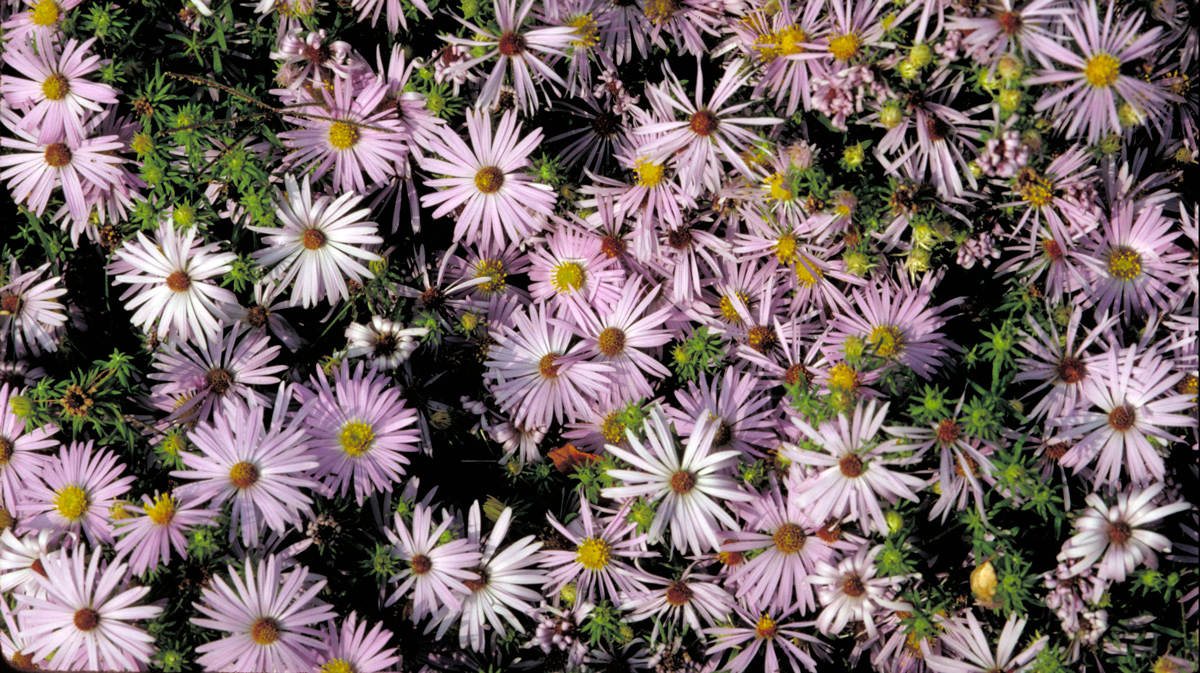
Photo created by the U.S. Fish and Wildlife Service.
Big bend of the Missouri Septbr. 21, 1804
—Meriwether Lewis[2]Aster oblongifolius, Moulton, ed. Herbarium, specimen 22.
Rubber Rabbitbrush
Ericameria nauseosa
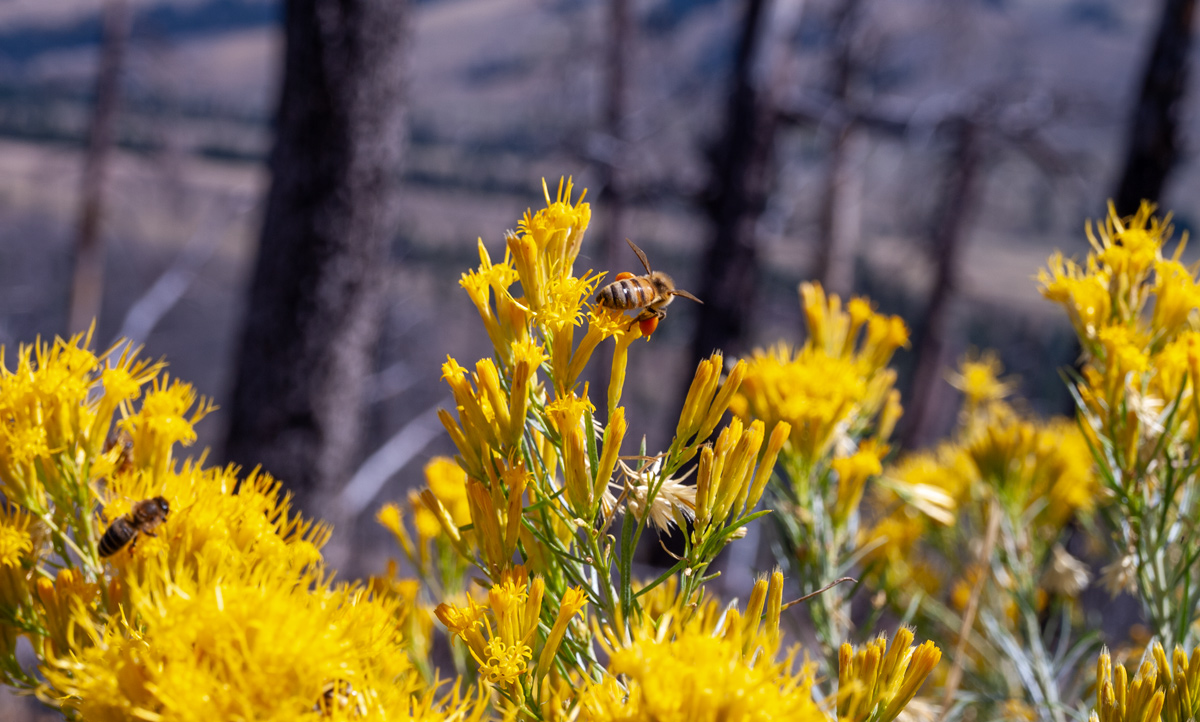
© 9 September 2008 by Kristopher K. Townsend. Permission to use granted under the Creative Commons Attribution-Share Alike 4.0 International license.
Above: Two pollinators work rubber rabbitbrush located atop Sula Peak, Montana. The expedition traveled over this peak on 6 September 1805.
Big bend of the Missouri Septb: 21 1804
—Meriwether Lewis[3]Ericameria nauseosa, Moulton, ed. Herbarium, specimen 39b.
Broom Snakeweed
Gutierrezia sarothrae
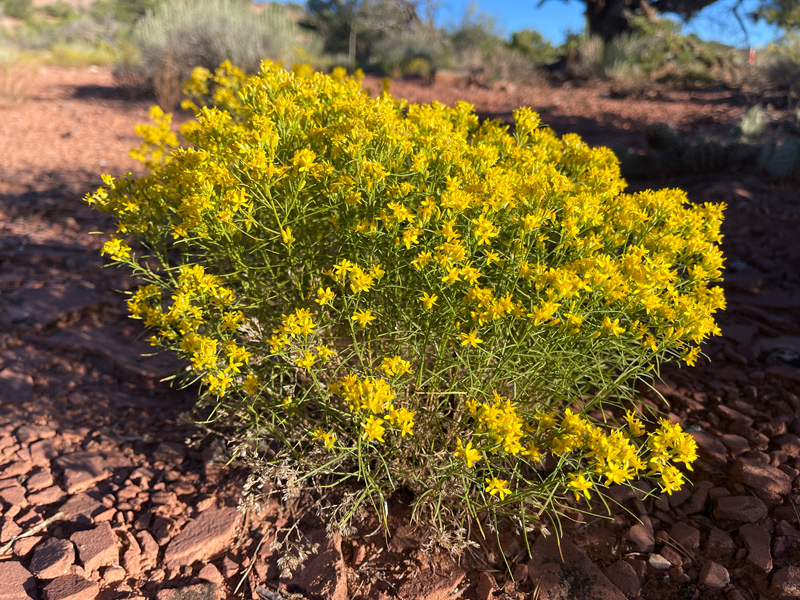
By Robb Hannawacker, 6 Sept 2023, Bears Ear National Monument, Utah. Permission to use granted under the Creative Commons CC0 1.0 Universal Public Domain Dedication license.
32 Specimens of the aromatic plants on which the Antelope feeds were obtained 21 Sep. 1804 at the upper part of the Big bend of the Missouri—
—John Vaughn[4]Gutierrezia sarothrae, 1805 Donation Book, in “Fort Mandan Miscellany”, vol 3:464. See also Herbarium, specimen 77.
Slender Flowered Scurfpea
Psoralidium tenuiflorum
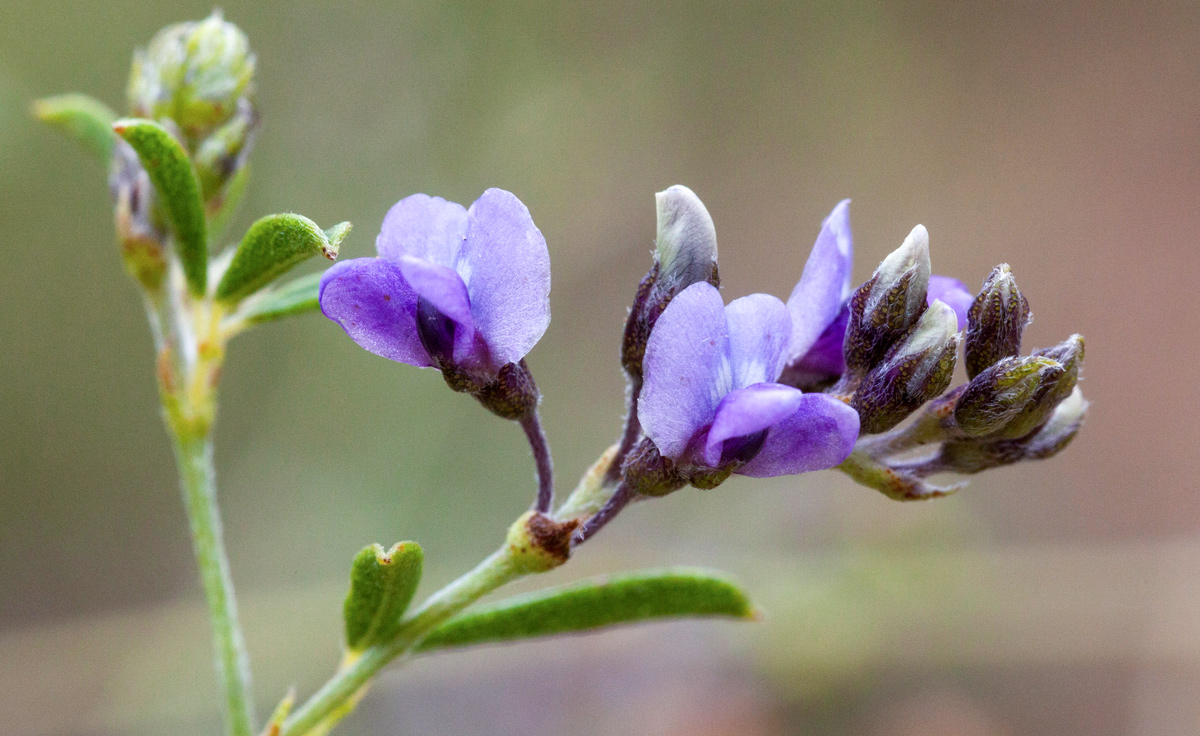
By Patrick Alexander, 20 August 2017, near Santa Clara, New Mexico. Permission to use granted under the Creative Commons CC0 1.0 Universal Public Domain Dedication license.
Big bend of the Missouri Septbr: 21, 1804
—Meriwether Lewis[5]Psoralidium tenuiflorum, Moulton, ed. Herbarium, specimen 144a.
Four Wing Saltbush
Four Wing Saltbush
Atriplex canescens
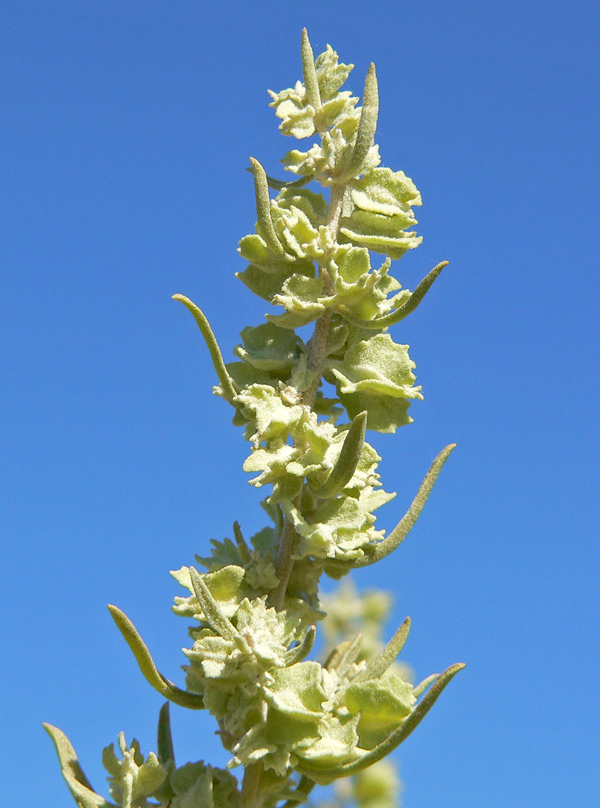
Photo created by the U.S. Fish and Wildlife Service.
Big bend of the Missouri Septbr. 21, 1804
—Meriwether Lewis[6]Atriplex canescens, Moulton, ed. Herbarium, specimen 26.
Lance-leaved Sage
Big bend of Missouri Septbr. 21, 1804.
—Meriwether Lewis[7]Salvia reflexa, Moulton, ed. Herbarium, specimen 156a.
Weather Diary
Thermot. at rise
Weather Wind at thermotr. at 4 P.M. Weather Wind at 4 oC. P.M 58 above fair S. W 88 above fair S. W. Antilopes ruting, as are the Elk, the Buffaloe is nearly ceased— the latter commence the latter end of July or first of August.
—Meriwether Lewis[8]To assist the reader, the editor of this web page has omitted the “day of the month” column and spelled out some abbreviations.


The Big Bend of the Missouri is a High Potential Historic Site along the Lewis and Clark National Historic Trail managed by the U.S. National Park Service. The site is open to the public and managed by South Dakota Department of Game, Fish and Parks.
Notes
| ↑1 | Originally aired weekdays by Yellowstone Public Radio during the Bicentennial observance of 2003-2006. Narrated by Hal Hansen. Scripts by Whit Hansen and Ed Jacobson. Produced by Leni Holliman. © 2003 by Yellowstone Public Radio. |
|---|---|
| ↑2 | Aster oblongifolius, Moulton, ed. Herbarium, specimen 22. |
| ↑3 | Ericameria nauseosa, Moulton, ed. Herbarium, specimen 39b. |
| ↑4 | Gutierrezia sarothrae, 1805 Donation Book, in “Fort Mandan Miscellany”, vol 3:464. See also Herbarium, specimen 77. |
| ↑5 | Psoralidium tenuiflorum, Moulton, ed. Herbarium, specimen 144a. |
| ↑6 | Atriplex canescens, Moulton, ed. Herbarium, specimen 26. |
| ↑7 | Salvia reflexa, Moulton, ed. Herbarium, specimen 156a. |
| ↑8 | To assist the reader, the editor of this web page has omitted the “day of the month” column and spelled out some abbreviations. |
Experience the Lewis and Clark Trail
The Lewis and Clark Trail Experience—our sister site at lewisandclark.travel—connects the world to people and places on the Lewis and Clark Trail.
This page was funded in part by the Lewis and Clark National Historic Trail, U.S. National Park Service.
Discover More
- The Lewis and Clark Expedition: Day by Day by Gary E. Moulton (University of Nebraska Press, 2018). The story in prose, 14 May 1804–23 September 1806.
- The Lewis and Clark Journals: An American Epic of Discovery (abridged) by Gary E. Moulton (University of Nebraska Press, 2003). Selected journal excerpts, 14 May 1804–23 September 1806.
- The Lewis and Clark Journals. by Gary E. Moulton (University of Nebraska Press, 1983–2001). The complete story in 13 volumes.
This site is provided as a public service by the

Lewis and Clark Trail Alliance
with additional funding from the following: