Thomas Rodney, Revolutionary War soldier, was journeying to Washington, the capital of the Mississippi Territory. In July 1803, Thomas Jefferson had appointed him as territorial judge and also as a land commissioner.[1]Dwight L. Smith and Ray Swick, ed., A Journey Through the West: Thomas Rodney’s 1803 Journal from Delaware to the Mississippi Territory (Athens: Ohio University Press, 1997), 8. Rodney’s journals show that he considered himself somewhat of a gentleman’s scientist in line with the contemporary Age of Enlightenment. Although he wasn’t the caliber of Meriwether Lewis, Rodney documented many of the natural curiosities that would have also piqued Lewis’s interest traveling down the Ohio River in 1803.
Contemporary traveler Thomas Rodney arrived at the Big Bone Lick just days after Lewis had left. Rodney seems almost miffed that Lewis got the best specimens.[2]Ibid., 111–112.
After departing Big Bone Lick, Rodney examined the fossils he had collected there. He speculated that they may be not be the actual bones of animals, but nature’s recreation, and exaggeration, of decomposed animals. Lewis likely made his own speculations as he traveled between Big Bone Lick and the Falls of the Ohio that October.
Because Lewis wrote so little during the Ohio segment and Rodney wrote so much, selections from Rodney’s journal are used to describe the journey from 7 October 1803 to 11 November 1803. The pages below are the days when Lewis and Rodney were physically together.
February 7, 1803
Rodney recommended
by Kristopher K. Townsend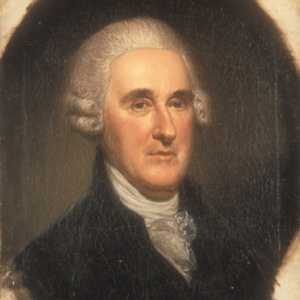
Pennsylvania Governor Thomas McKean asks President Thomas Jefferson to find a Federal appointment for Thomas Rodney, who would parallel and intersect with Lewis’s travel down the Ohio next fall.
February 20, 1803
Thomas Rodney's ask
by Kristopher K. Townsend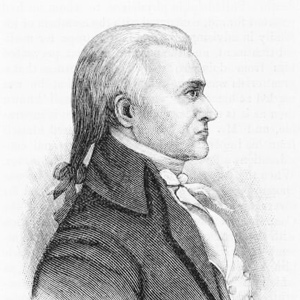
In Dover, Delaware, Thomas Rodney writes to President Jefferson asking for a federal position. In the fall, his two appointments would lead him down the Ohio at the same time as Meriwether Lewis.
June 17, 1803
Critical books and maps
by Kristopher K. Townsend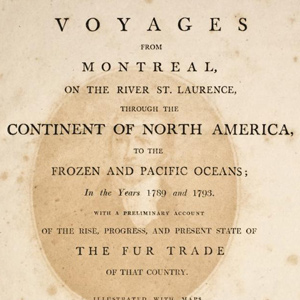
In Washington City, President Thomas Jefferson orders a copy of Alexander Mackenzie’s Voyages from Montreal and Aaron Arrowsmith’s map of North America recently updated with information from Hudson’s Bay explorer Peter Fidler. Both would be carried west with the expedition.
Jefferson also offers Federal appointments to Thomas Rodney who would document his 1803 trip down the Ohio and his encounters there with Meriwether Lewis and William Clark.
June 24, 1803
The expected timeline
by Kristopher K. Townsend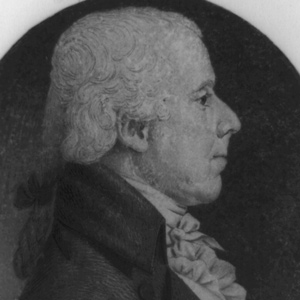
In Washington City, President Jefferson thanks Benjamin Rush for his help and tells him that the expected timeline has Lewis leaving Fort Kaskaskia the first of September.
Elsewhere In Dover, Delaware, Thomas Rodney accepts two Federal appointments setting him on a course to travel down the Ohio River at the same time as Meriwether Lewis.
July 1, 1803
Rodney's acceptance letter
by Kristopher K. Townsend
In Dover, Delaware, Thomas Rodney accepts his nomination ‘to act as one of the Judges for the Mississippi Territory’. Later, he will meet—and write about—the Lewis and Clark Expedition as it travels down the Ohio River.
September 7, 1803
Wheeling, (West) Virginia
by Kristopher K. Townsend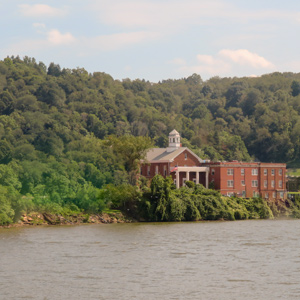
Three miles above Wellsburg in present West Virginia, the boats come to a riffle, and all hands get out to push the heavy barge through the shallow water. At five in the evening, they arrive at Wheeling, a common point for embarkation during low water. Lewis receives the goods that came by wagon from Pittsburgh, and he meets Thomas Rodney who is also traveling down the Ohio.
September 8, 1803
A day of rest
by Kristopher K. Townsend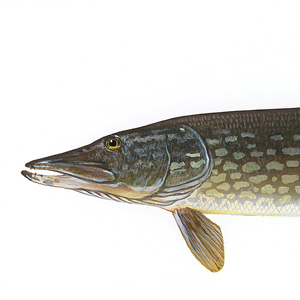
At Wheeling in present West Virginia, Lewis re-supplies and gives the crew a day to rest, wash clothes, and have some bread baked. He writes a letter to President Jefferson, purchases another boat, and hires another crew member. He also accepts Doctor William Patterson’s offer to join the expedition. He shares a ‘clever’ dinner—and later has watermelon—with Thomas Rodney.
September 9, 1803
Leaving Wheeling
by Kristopher K. Townsend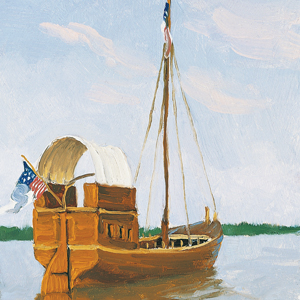
At Wheeling, complications arise over 90 pounds of baked bread, and a potential new expedition member—a doctor—fails to appear. At 3:00 pm, Lewis says goodbye to Thomas Rodney and departs. Rodney describes Lewis’s mission and predicts that he will ultimately fail. During the night, it rains so hard that Lewis is wet to the skin trying to keep the cargo dry.
September 12, 1803
Cutting a channel
by Kristopher K. Townsend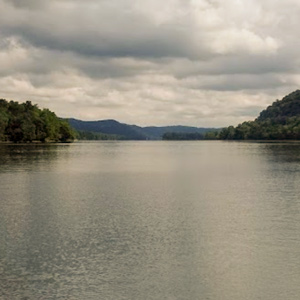
To get the large boat through a shallow spot in the Long Reach of the Ohio, the crew must cut a channel through the gravel. They anchor about nine miles upstream from Marietta, Ohio.
On his way to the Mississippi Territory, Thomas Rodney writes a letter to President Thomas Jefferson with news of Lewis’s trip down the Ohio.
September 13, 1803
Marietta, Ohio
by Kristopher K. Townsend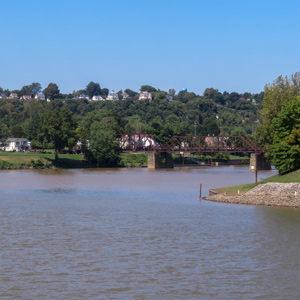
Starting at sunrise, the boats are taken nine miles down the Ohio. After lifting the barge over a few riffles, they arrive at Marietta, Ohio. In the evening, Lewis sees a large flock of passenger pigeons, dismisses two hands, and visits with the town’s postmaster.
September 15, 1803
Considerable settlements
by Kristopher K. Townsend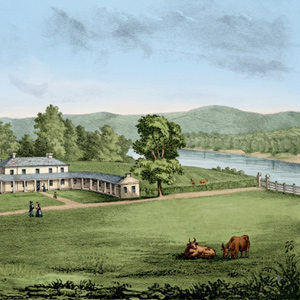
On this rainy day, Lewis and his crew head down the Ohio passing present Little Kanawha and Little Hocking rivers. The barge must be lifted over a gravel bar, and they are further delayed when one of the smaller boats falls behind. They stop for the day near Blennerhassett Island.
September 16, 1803
Very bad riffles
by Kristopher K. Townsend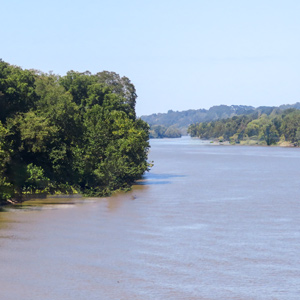
Near Blennerhassett Island on the Ohio River, fog delays departure. Lewis and his crew pass an area with many trees marked by both by both original inhabitants and new settlers. He pushes his crew until nearly dark, and at camp near present Ravenswood, West Virginia, the crew is ‘fatigued with this day’s labor’.
September 17, 1803
Rusty iron and injured bisquits
by Kristopher K. Townsend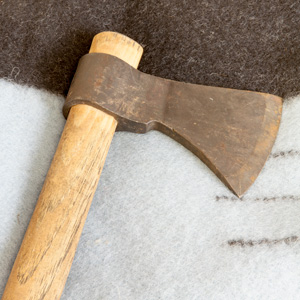
On the advice of his pilot, Lewis heads down the Ohio before the morning fog has cleared. After seven miles, they anchor on a large sandbar opposite Old Town Creek—just above present Millwood, West Virginia. Lewis finds it a good place to open and dry the goods, and he finds rust on the guns, tomahawks, and knives; and biscuits that are ‘much injured’.
September 18, 1803
Letart Falls
by Kristopher K. Townsend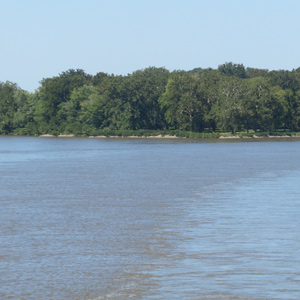
Anchored on a large sandbar, the night is dry and the morning clear, and the crews set out before sunrise. The barge is safely piloted through the rapids at Letart Falls. Here, Lewis’s journal ends until November 11. Fortunately, Zadok Cramer and Thomas Rodney also describe the rapid they called Letart’s Falls.
September 19, 1803
Point Pleasant and Gallipolis
by Kristopher K. Townsend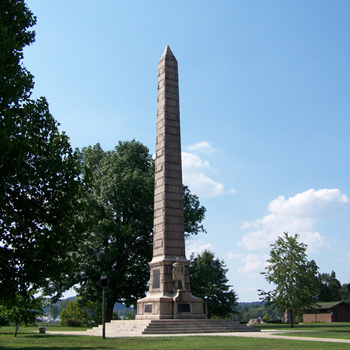
After yesterday’s successful passage through Letart Falls, Lewis commandeers the boats down the Ohio, likely reaching the settlements of Point Pleasant and Gallipolis. Coming down the Ohio a week later, Col. Thomas Rodney sees about ten log houses at the mouth of the Kanawha and at the French settlement of Gallipolis, a long island presents significant hazard.
September 20, 1803
The river narrows
by Kristopher K. Townsend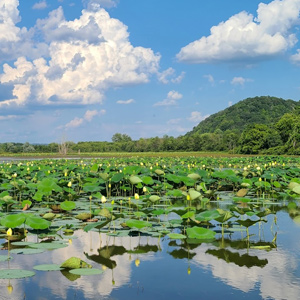
On or near this day, Lewis and the boats pass present Guyan Creek about 17 river miles below Gallipolis, Ohio. After this, the Ohio River narrows and the current speeds up. He may have stopped for the day above an “ugly” riffle at the mouth of the Guyandotte River at present Huntington, West Virginia.
Elsewhere, the future governor of the Territory of Orleans and governor of Louisiana promises its citizens an “inheritance of Freedom.”
September 21, 1803
Entering Kentucky
by Kristopher K. Townsend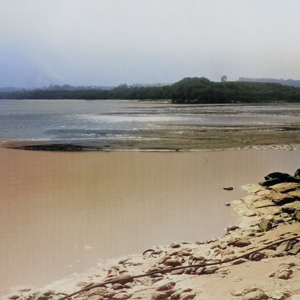
On or near this date, Lewis and his crews pass the mouth of the Big Sandy and enter Kentucky, the 15th state and home of co-leader William Clark. Lewis likely notices the many Eastern spiny soft-shelled turtles on this stretch of the Ohio—as did fellow traveler Thomas Rodney nine days later.
September 22, 1803
Hanging Rock
by Kristopher K. Townsend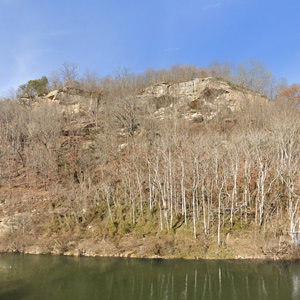
On or near this date, Lewis passes a notable hanging rock often mentioned by Ohio River travelers. At Alexandria—present Portsmouth, Ohio—a massive complex of mounds from the ancient Ohio Hopewell culture can be seen and at Vanceburg, Kentucky, a ‘handsome settlement’ supports the nearby salt works.
September 23, 1803
Dangerous riffles
by Kristopher K. Townsend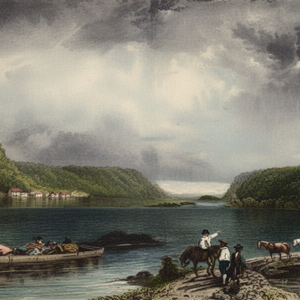
On or near this date, Lewis travels in the area between present Portsmouth, Ohio and Maysville, Kentucky. Eight days later, Thomas Rodney travels this stretch and describes the area’s rapids, high hills, and river carpsuckers.
September 24, 1803
Maysville recruit?
by Kristopher K. Townsend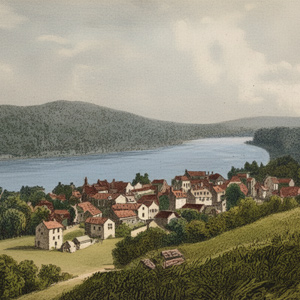
Near this date, Lewis likely stops in Maysville, Kentucky near the home of John Colter who served admirably as a private in the expedition and would later become famous for his life as a mountain man. Thomas Rodney describes the town, a boat being built there, and expresses a low opinion of Ohio River settlers.
September 25, 1803
Augusta, Kentucky
by Kristopher K. Townsend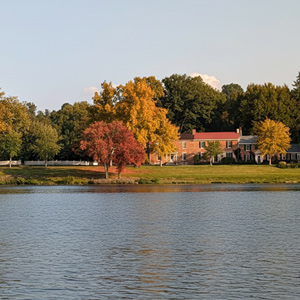
On or near this date, Lewis and his flotilla travel between Maysville and Augusta, Kentucky. Thomas Rodney notes ferry crossings and extensive settlements on this stretch of the Ohio River, and he describes Augusta.
September 26, 1803
Settlements and ferries
by Kristopher K. Townsend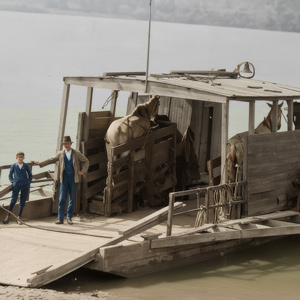
On or near this date, Lewis and his crew move down the Ohio River in the stretch between Augusta, Kentucky and New Richmond, Ohio. While here, Thomas Rodney describes settlements, a ferry crossing, and treats a sickly settler with mercury pills.
September 27, 1803
Above Cincinnati
by Kristopher K. Townsend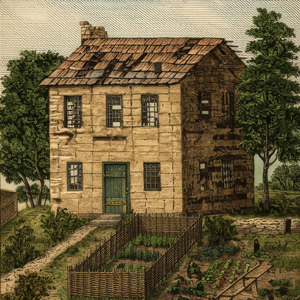
On or near this date, Lewis and his crews pass the Little Miami River. Contemporary traveler Thomas Rodney describes the Little Miami and the Ohio rivers there. At Columbia, they pass a Baptist Church symbolic of the high expectations of the town’s founders.
October 17, 1803
Wine with Col. Rodney
by Kristopher K. Townsend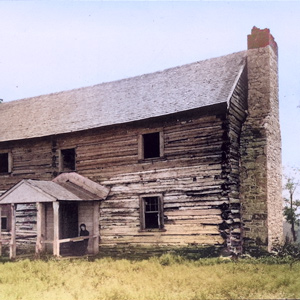
Clark and Lewis share wine with Thomas Rodney whose bateaux is moored at Louisville. Rodney mistakenly thinks Clark’s brother, George Rogers Clark, is William’s father.
December 2, 1803
Kaskaskia observations
by Kristopher K. Townsend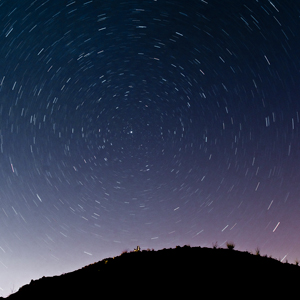
At Fort Kaskaskia in the Illinois Territory, Lewis follows President Jefferson’s instruction by taking celestial observations. In the Mississippi Territory, Thomas Rodney reports his arrival.
May 14, 1804
Leaving Camp River Dubois
by Kristopher K. Townsend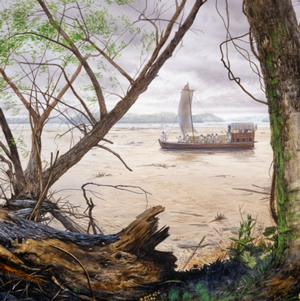
Clark and the enlisted men leave Camp River Dubois, cross the Mississippi, and begin their journey up the Missouri. Likely at their encampment opposite present Fort Belle Fontaine, several men begin their journals: Sgt. Ordway, Sgt. Floyd, Pvt. Gass, Pvt. Whitehouse, and likely several others.
In Mississippi Territory, Thomas Rodney writes about a mountain and river of salt in the unexplored west—a topic frequently mentioned in satires meant to demean Thomas Jefferson and his Western Explorations.
Notes
Experience the Lewis and Clark Trail
The Lewis and Clark Trail Experience—our sister site at lewisandclark.travel—connects the world to people and places on the Lewis and Clark Trail.
Discover More
- The Lewis and Clark Expedition: Day by Day by Gary E. Moulton (University of Nebraska Press, 2018). The story in prose, 14 May 1804–23 September 1806.
- The Lewis and Clark Journals: An American Epic of Discovery (abridged) by Gary E. Moulton (University of Nebraska Press, 2003). Selected journal excerpts, 14 May 1804–23 September 1806.
- The Lewis and Clark Journals. by Gary E. Moulton (University of Nebraska Press, 1983–2001). The complete story in 13 volumes.
This site is provided as a public service by the
Lewis and Clark Trail Alliance
with additional funding from the following: